
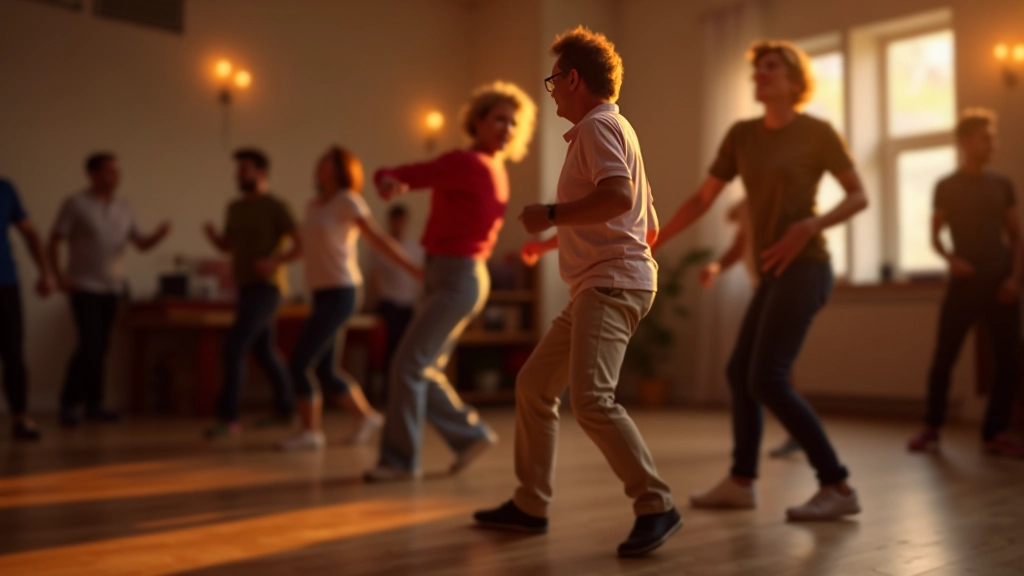
Getting Started with Bachata — What You Should Know
A beginner's guide covering basic steps, music rhythm, and what to expect in your first bachata class.
Understanding the unwritten rules of social dancing helps you feel confident and creates a positive experience for everyone on the floor. We'll cover how to ask someone to dance, the basics of leading and following, and the little things that make all the difference.


The first impression starts before you even take the floor. It's about respect, confidence, and reading the room. When you spot someone you'd like to dance with, make eye contact and smile. A simple "Would you like to dance?" works perfectly — you don't need fancy lines or complex gestures.
If they say no, that's absolutely fine. Don't take it personally. People decline for all sorts of reasons — they're tired, sitting with friends, or just not feeling like dancing that moment. Accept gracefully with a smile and move on. This is one of the biggest things that separates good partners from difficult ones. You'll notice that dancers who accept rejection well get asked more often, not less. It's attractive.
Pro tip: Watch how someone dances before asking. If they're relaxed and smiling, they're likely more open to partners. If they look focused or intense, they might prefer dancing with specific people that night.
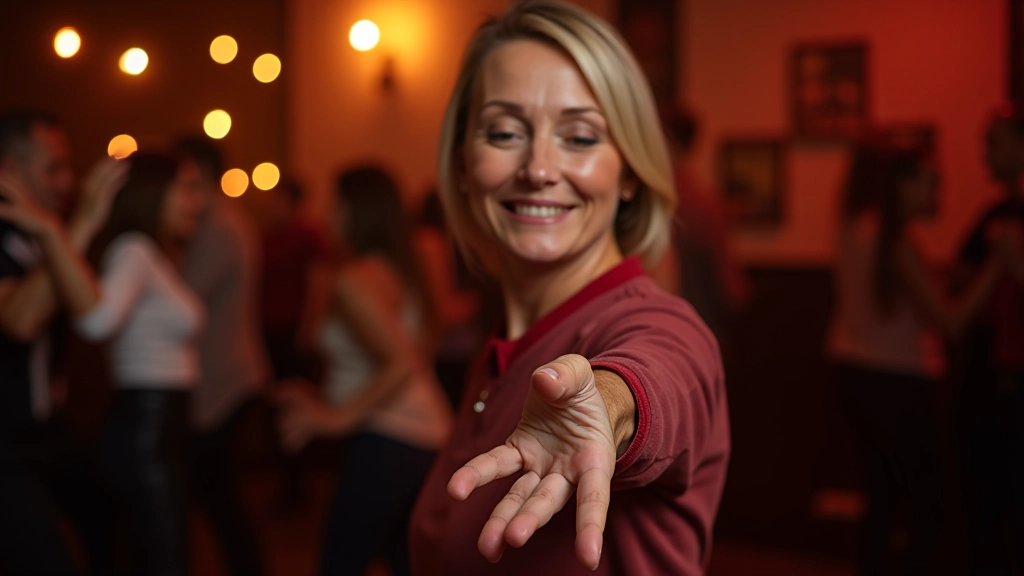

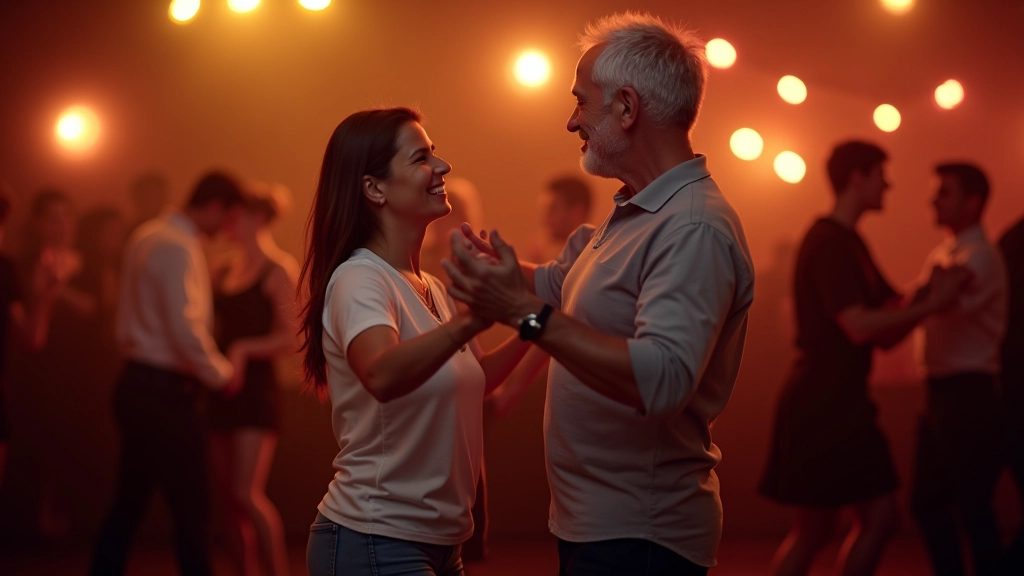
In bachata and salsa, the leader initiates the movements and the follower responds. But here's what makes someone actually good at this: respect. A good leader doesn't grip tightly or jab signals at their partner. Instead, they use subtle weight shifts and frame. The follower stays relaxed and responsive, not rigid or anticipating moves before the leader signals them.
If you're leading, remember that your partner can't read your mind. Make your signals clear but gentle. If you're following, don't try to predict what's coming next — that's where collisions happen. Stay connected through the frame and let your partner guide you. Most people who struggle with partners are either squeezing too hard or not staying present in the dance.
We've all had that experience where everything just flows — no tension, no confusion, just two people moving together. That's what you're aiming for. It comes from practice, but mostly from being aware of your partner's comfort.
These details separate comfortable partners from ones people actually want to dance with
Keep your shoulders back, core engaged, and maintain consistent connection without tension. This makes it easy for your partner to follow or lead without confusion.
Dancing to the music matters way more than fancy steps. If you're dancing off-beat, even the best steps feel awkward for both of you.
Look at your partner occasionally, smile, and show you're enjoying the dance. It makes the whole experience better for both of you.
If something isn't working, don't criticize. A small adjustment in your frame or a whispered suggestion is all you need.
Keep appropriate distance unless the dance style calls for closer connection. Always ask or signal before changing distance.
After the song ends, thank your partner with a genuine smile. It takes two seconds and makes them feel valued.
One of the most overlooked skills in social dancing is the ability to read your partner and adjust accordingly. Is your partner stiff? They might be nervous, so dance something simple and smooth. Are they trying out new moves? Give them space to explore. Do they look like they're having fun? Great — keep the energy up.
Different partners have different styles. Some love to be challenged with fancy footwork, others prefer straightforward dancing that lets them relax. Some want to chat between songs, others want quiet focus time. The best partners aren't necessarily the ones who know the most steps — they're the ones who notice what their partner needs and deliver that.
If you're dancing with someone significantly better or worse than you, don't make them feel bad about it. Dance at their level. You'll learn more by dancing down to someone less experienced than by always dancing with people above your level. And if someone's dancing above you, just follow along and enjoy the ride.
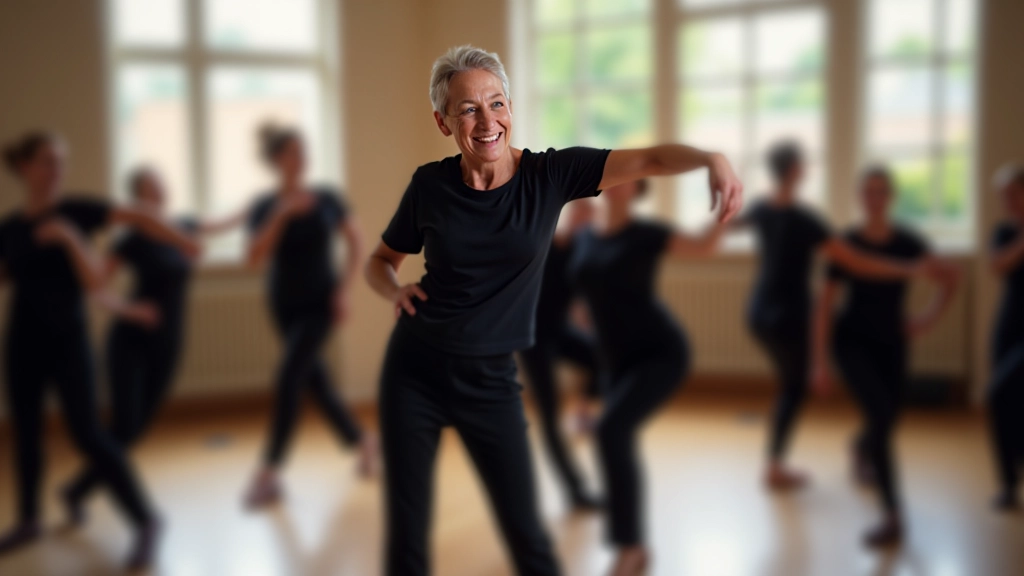

Good dance etiquette isn't about following rigid rules — it's about making someone else feel comfortable, respected, and like they're part of something fun. You're not just dancing at them, you're dancing with them. The best partners on the floor aren't always the most technically skilled. They're the ones who listen, adapt, and genuinely enjoy the connection.
Start by being present. Smile. Respect your partner's boundaries. Read the room and adjust your energy accordingly. Dance at a level that works for both of you. And always, always finish with genuine thanks.
These habits take maybe two or three nights of intentional practice before they become automatic. And once they do, you'll notice something interesting: people will actually want to dance with you more often. You'll feel more confident asking, and the dances will feel smoother and more enjoyable for everyone involved.
This article provides general educational information about social dance etiquette and partner dynamics. The guidance offered reflects common practices in Latin dance communities and is intended to help you feel more confident on the dance floor. Every dance community and venue may have slightly different customs or expectations, so it's always good to observe the local culture before diving in. If you're new to a venue or style, don't hesitate to ask experienced dancers or instructors for guidance — most people are happy to help newcomers feel welcome.