
The Basic Step: Breaking Down the 8-Count
Salsa uses an 8-count beat, but here's the thing — you're only dancing on 7 of those counts. Count 8 is a break, where both dancers pause. This takes some getting used to if you're coming from other dance styles.
The pattern goes like this: forward, back, forward, back, side, together, side, pause. That's one complete cycle. You'll repeat this cycle over and over. The rhythm sits over a 4/4 musical beat, but the accents fall on counts 1, 5, and 7. That's what makes salsa feel the way it does — it's got this underlying pulse that's different from, say, swing dancing.
Your weight needs to be clear on each step. Step down hard on 1, 2, 3, and again on 5, 6, 7. This gives the dance its character. Too many beginners try to glide, and it looks flat. You want to feel grounded.
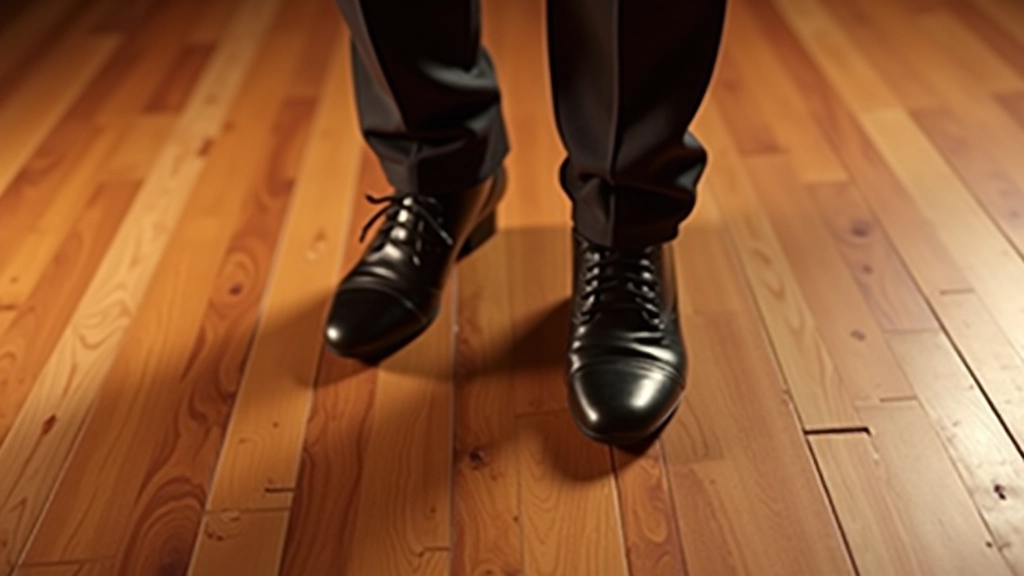
Step Forward
Left foot forward. This is where the dance begins. Don't overthink it — just step forward with intention.
Recover Back
Right foot back to center. You're returning to where you started, staying balanced.
Step Forward Again
Right foot forward this time. Notice the pattern — it alternates legs naturally.
Step Back
Left foot back to center. You're building rhythm now, creating the pulse of the dance.
Posture: Standing Like You Mean It
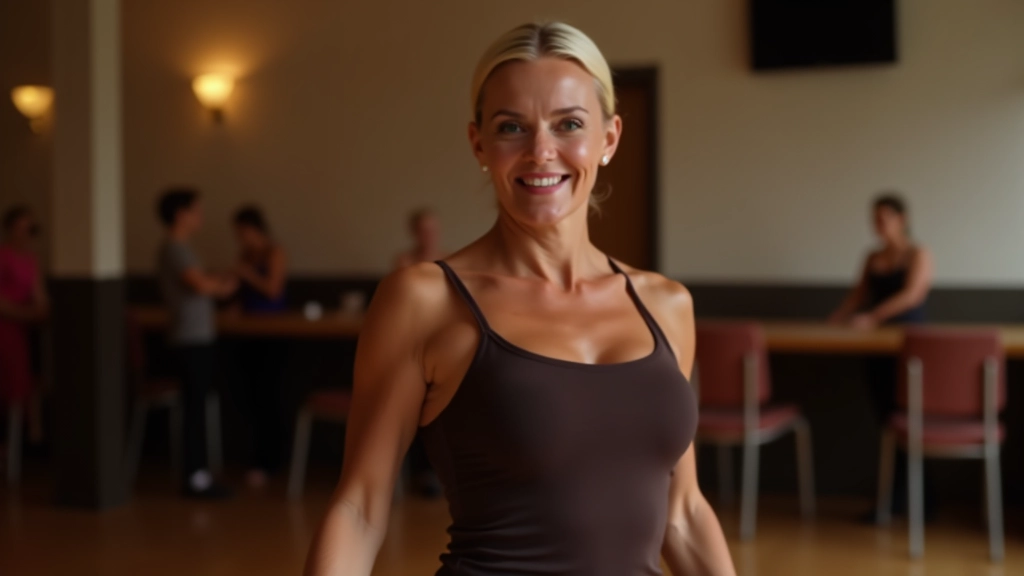
Your posture makes a huge difference in how salsa feels. You're not standing straight like a soldier — that's too rigid. Instead, imagine a string pulling the top of your head up. Your shoulders should sit back and relaxed. Your core stays engaged but not tight.
The biggest mistake we see? People slouch or lean forward. That throws off your balance and makes the dance harder than it needs to be. Stand tall. Keep your chest open. Let your arms hang naturally at first — we'll talk about arm styling in another guide, but for now, focus on your feet and your posture.
Your knees should have a soft bend. Not locked. Not overly bent either. There's a sweet spot where you can move freely and respond to the music. Most people find this naturally once they start stepping. Just don't fight it.
Common Posture Mistakes
- Leaning back like you're dodging something — this breaks your connection with a partner
- Tensing your shoulders up to your ears — this restricts movement and looks stiff
- Looking down at your feet constantly — you'll miss the music and look uncomfortable
- Moving only from the waist down — the whole body dances, not just your legs
Understanding the Music: Rhythm is Everything
This is where a lot of people get stuck. They can do the steps, but they can't quite lock into the music. The thing is, salsa music has a very specific rhythm structure. Once you hear it, you'll recognize it immediately. It's got that energy, that clave pattern underneath.
The clave is a rhythmic pattern played by percussion. It's 5 notes across 8 beats, and it creates the heartbeat of the song. You don't need to think about the clave consciously — you just need to feel it. When you're dancing to a live band versus a recording, the clave is even more obvious because the percussion is louder.
Your basic step aligns with this rhythm. Counts 1-3 and 5-7 are where your weight changes happen. Count 8 is the pause. Count 4 and the space between 7 and 1 are also pauses. This creates a specific feel that's distinctly salsa. It's not samba. It's not mambo. It's salsa, and the rhythm is what makes it special.
Start by counting out loud when you practice. It feels silly at first, but your brain needs to connect the numbers to the movements. After a few weeks, you won't need to count anymore. The rhythm becomes part of your body memory.